Independent auto shops in the Northwest are facing one of the most significant shifts in the automotive industry: the Right-to-Repair movement. As vehicle technology evolves and manufacturers increasingly control access to parts, tools, and repair information, it’s more important than ever for shops to understand their rights, stay compliant with legislation, and advocate for fair access to repair resources.
At the Northwest Auto Care Alliance (NWACA), we are committed to supporting independent shops, keeping members informed, and advocating for policies that protect your business. The Right-to-Repair movement isn’t just a legislative issue; it’s a matter of ensuring that your shop can continue to provide high-quality, affordable service to your customers.
Understanding the Right-to-Repair Movement
The Right-to-Repair movement is centered around the principle that vehicle owners and independent repair shops should have access to the tools, parts, and information needed to maintain and repair vehicles. Over the past decade, manufacturers have increasingly restricted access to diagnostic codes, repair manuals, and specialized tools, creating challenges for independent shops.
For independent shop owners, this can mean:
- Delays in accessing vehicle repair information
- Increased costs for specialized tools or software
- Dependence on manufacturer-authorized channels for certain repairs
NWACA’s advocacy work ensures that independent shops have a voice in these discussions, pushing for policies that protect small businesses and maintain a competitive marketplace. By understanding the movement, shops can better anticipate changes, plan investments in training and tools, and continue serving their communities effectively.
Legislative Updates Every Shop Owner Should Know
Laws regarding the Right-to-Repair movement are evolving at both the state and federal levels. In the Northwest, several legislative efforts focus on:
- Ensuring independent shops can access vehicle repair information and diagnostic data
- Mandating fair pricing and availability of replacement parts
- Protecting shops from anti-competitive practices by manufacturers
Staying up-to-date is critical. For example, legislation in Washington and Oregon is exploring requirements for manufacturers to provide data to independent repair facilities. Shops that remain informed can adjust their workflows, train staff on new systems, and ensure compliance without losing service efficiency.
NWACA regularly provides updates and webinars to help members navigate these legislative changes. By staying connected, shops can proactively adapt, avoid potential violations, and benefit from emerging protections.
How the Movement Protects Your Shop’s Rights
The Right-to-Repair movement is ultimately about safeguarding your ability to operate independently. Without access to critical vehicle information and tools, independent shops risk:
- Losing customers to manufacturer-only repair networks
- Facing higher operational costs due to restricted access
- Struggling to stay competitive in a rapidly evolving automotive industry
NWACA supports members by offering guidance on navigating legislation and resources to educate your staff on compliant repair practices. Participating in advocacy ensures your shop can assert its rights, maintain customer trust, and compete fairly alongside dealership service centers.
Impacts on Training and Technician Development
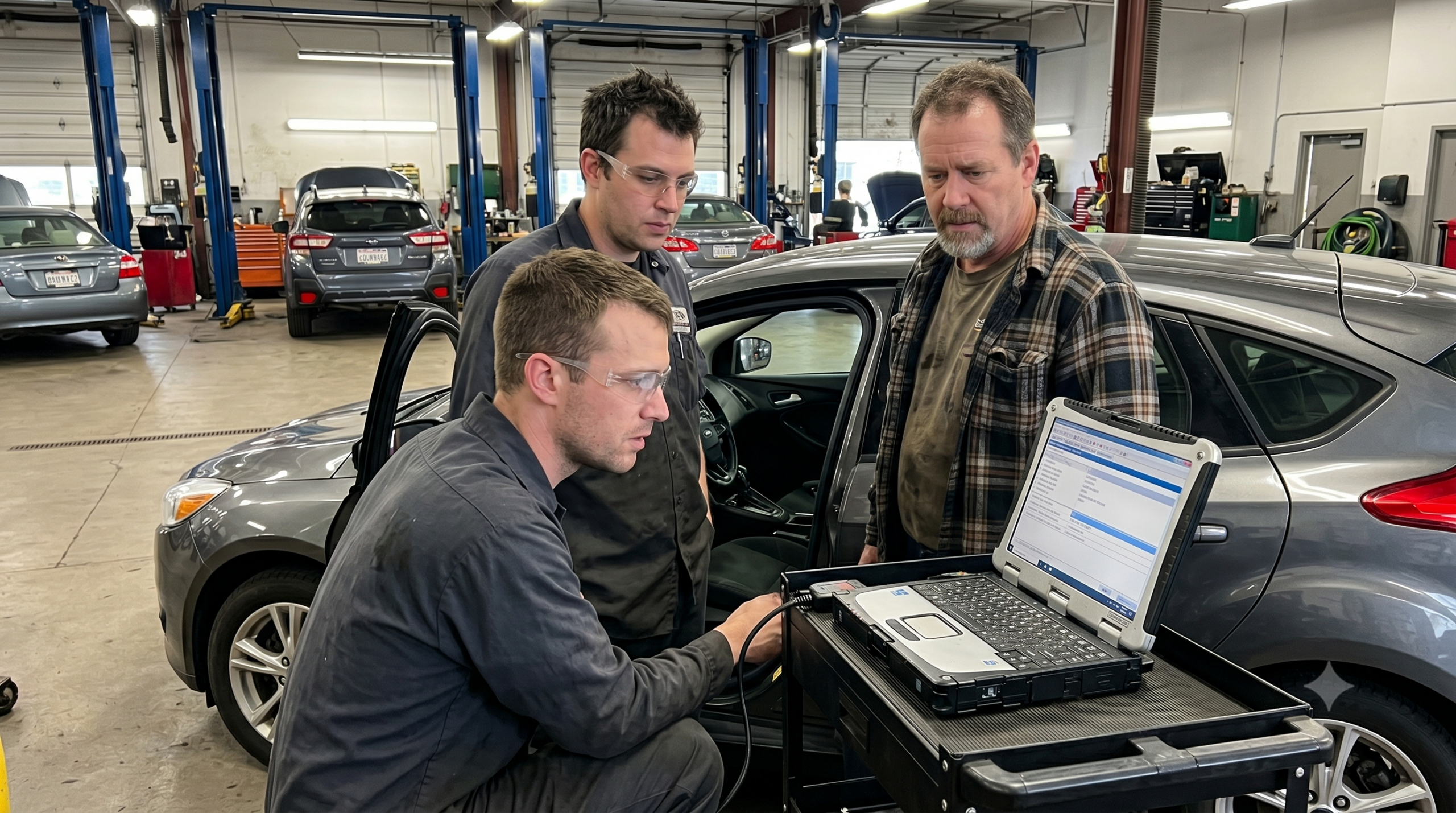
Access to repair information is not only a business concern, but it also directly affects technician training. Modern vehicles are increasingly software-driven, requiring technicians to have access to diagnostic systems and technical manuals.
NWACA’s training programs, including our iTAC Apprenticeship Program, prepare technicians to handle these challenges by providing structured learning pathways and real-world experience. When repair information is accessible, apprentices and technicians can develop the skills needed to work efficiently and safely on newer models.
Investing in training ensures your team remains confident and capable, even as vehicles become more complex and technology-intensive.
Real-World Examples of Right-to-Repair Benefits
Consider an independent shop in Spokane that recently gained access to previously restricted diagnostic codes through advocacy-backed legislation. With the new access:
- Repairs that previously required manufacturer authorization are now completed in-house
- Customer wait times decreased, improving satisfaction
- Technicians gained experience with advanced systems, increasing shop expertise
This example shows how legislation and Right-to-Repair advocacy translate directly into operational improvements, stronger customer relationships, and more skilled technicians.
Why NWACA Membership Matters in the Right-to-Repair Era
Being part of NWACA ensures your shop is not navigating these challenges alone. Membership provides:
- Legislative updates through the Membership page.
- Technician training via the iTAC Apprenticeship Program
- Advocacy support to influence industry standards
For independent shops in the Northwest, this support is essential. By joining NWACA, you strengthen your shop’s ability to serve your customers, compete fairly, and protect your business for the long term.
Frequently Asked Questions
What is the Right-to-Repair movement?
The Right-to-Repair movement ensures vehicle owners and independent shops can access the tools, parts, and repair information necessary to maintain and repair vehicles efficiently.
How does it affect independent shops?
Restricted access to vehicle data and diagnostic tools can increase costs, slow repairs, and limit service capabilities. Right-to-Repair legislation helps level the playing field.
Which states in the Northwest are involved?
Washington, Oregon, and other nearby states have active Right-to-Repair legislation initiatives. NWACA keeps members updated on these developments.
How can shops participate in advocacy?
Shops can join NWACA advocacy programs, attend webinars, and communicate with local lawmakers to support legislation that protects independent repair rights.
Does this movement affect technician training?
Yes. Access to diagnostic codes and repair information allows technicians to gain hands-on experience with modern vehicles, supporting professional growth.
How can NWACA help my shop stay compliant?
NWACA provides legislative updates, guidance documents, and training programs to ensure your shop operates within regulations while maintaining efficiency and customer trust.
Protect Your Shop and Stay Ahead
The Right-to-Repair movement is more than a legislative issue it’s a pivotal moment for independent auto shops. Staying informed, training your technicians, and participating in advocacy ensure your shop remains competitive and resilient.
Learn more about membership benefits on our Membership page, visit the legislative updates section, or explore training programs to prepare your team for today’s vehicles.