In today’s fast-changing automotive landscape, technicians face increasingly sophisticated vehicles, advanced diagnostic systems, and complex repair procedures. While online tutorials and virtual courses offer convenience, nothing compares to the hands-on learning experience of in-person training.
At the Northwest Auto Care Alliance (NWACA), we have seen firsthand how technicians thrive when they combine classroom instruction with real-world, hands-on experience. From sharpening technical skills to earning professional certifications, in-person training builds confidence, competence, and long-term career growth. In this blog, we explore why it remains essential and how NWACA supports technicians and independent auto shops in keeping skills sharp and relevant.
The Advantages of Hands-On Training
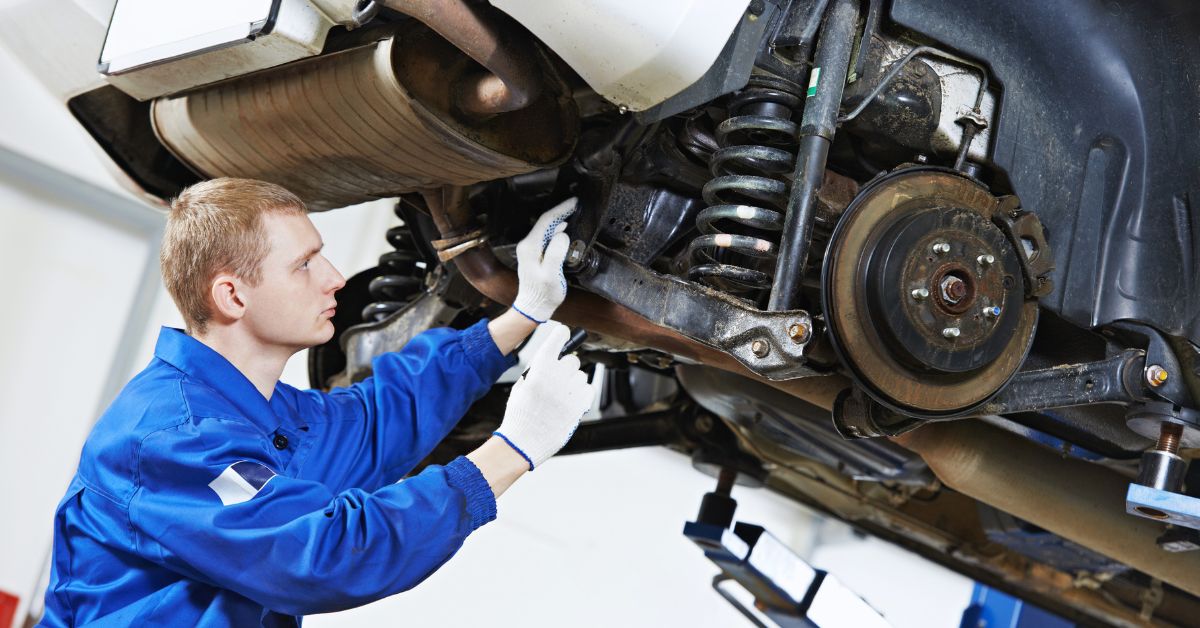
Technical knowledge is only part of the equation for auto repair professionals. Learning to apply that knowledge effectively requires practice. In-person training allows technicians to:
- Work directly on vehicles under the guidance of experienced instructors
- Learn advanced diagnostic procedures and repair techniques safely
- Experiment with tools, equipment, and vehicle systems in a controlled environment
- Ask questions and get immediate feedback from experts
This experiential learning is difficult to replicate online. While video tutorials can explain a process, they cannot substitute for the tactile understanding gained when turning wrenches, using diagnostic tools, or troubleshooting on real vehicles.
NWACA’s iTAC Apprenticeship Program emphasizes hands-on training for new technicians, combining practical experience with structured learning to ensure they are fully prepared for the challenges of modern auto repair.
Building Professional Certifications and Credibility
In-person training is also crucial for technicians pursuing professional certifications. Credentials from recognized programs not only validate a technician’s expertise but also boost a shop’s reputation. Certification programs often require supervised, practical assessments that cannot be completed virtually.
Through NWACA, technicians can access:
- Workshops and classes designed for ASE and other industry certifications
- ATE West and ATE East expos offering live, interactive technical sessions
- Opportunities to collaborate with peers and instructors in real-time
Earning certifications through in-person programs demonstrates a commitment to professionalism and high standards, values central to NWACA’s mission and the Northwest Auto Care Alliance Code of Ethics.
Why Networking Matters During Training
Beyond technical skills, in-person training provides a unique environment to build professional relationships. Networking with peers, instructors, and industry vendors helps technicians learn from different perspectives, discover innovative solutions, and establish lasting connections that benefit their careers.
Unlike virtual sessions, live events allow for:
- Mentorship opportunities with experienced shop owners and master technicians
- Knowledge sharing between technicians facing similar challenges
- Real-time problem-solving in group exercises
NWACA events, including workshops and semi-annual retreats, foster this sense of community and collaboration, which helps technicians stay motivated and engaged.
Keeping Up With Evolving Automotive Technology
Automotive technology continues to advance at an unprecedented pace. Electric vehicles, hybrid systems, and sophisticated driver-assistance systems require technicians to constantly upgrade their skills. Hands-on training ensures technicians are familiar with new tools, software, and procedures.
At NWACA, we emphasize:
- Training sessions on the latest diagnostic equipment
- Opportunities to practice repairs on modern vehicle systems
- Integration of technology into everyday repair processes
This approach allows technicians to confidently handle real-world scenarios, enhancing efficiency and customer satisfaction.
Real-World Examples of Impact
Consider a technician who attended NWACA’s ATE West event in Seattle. Through in-person labs, they learned to:
- Use advanced diagnostic scanners on hybrid vehicles
- Perform complex brake and suspension repairs under supervision
- Collaborate with instructors to troubleshoot real repair challenges
After returning to their shop, their enhanced skills improved repair accuracy, reduced repeat work, and increased customer trust. This is the tangible impact that hands-on, in-person training delivers something online learning alone cannot replicate.
Frequently Asked Questions
Why can’t online training replace in-person sessions?
Online courses provide knowledge but lack hands-on experience, immediate feedback, and interaction with instructors and peers, all critical for mastering technical skills.
Are professional certifications important for auto repair technicians?
Yes. Certifications validate expertise, enhance credibility with customers, and help shops attract and retain skilled talent.
How often should technicians attend in-person training?
Ideally, at least once or twice per year for ongoing skill refreshment, plus participation in events like ATE West or NWACA workshops for advanced topics.
Can small shops afford in-person training?
NWACA offers resources and membership benefits, including discounted training and access to apprenticeship programs, making high-quality training more accessible.
How does NWACA support technicians beyond training?
NWACA provides mentorship, professional networking, advocacy, and business resources, helping technicians grow within their shops and the broader industry.
Is in-person training suitable for new and experienced technicians alike?
Absolutely. New technicians gain foundational skills, while experienced technicians can update their knowledge and adapt to new vehicle technologies.
Take Action: Elevate Your Skills with NWACA
Investing in in-person training is investing in your career. Hands-on experience, certifications, and peer collaboration ensure that technicians are prepared for modern vehicles and evolving industry standards.