Behind every dependable vehicle, growing technician, and trusted neighborhood repair shop is an independent shop owner carrying more responsibility than most people ever see. Shop owners begin their mornings thinking about repair schedules, customer concerns, employee development, equipment needs, and the long-term health of their businesses. They may spend part of the day guiding a technician through a difficult diagnostic problem and another part reassuring a customer who needs clear, honest information about a repair.
At the Northwest Auto Care Alliance, we believe these owners are more than business operators. They are mentors, employers, problem-solvers, community partners, and stewards of the automotive profession. Independent auto shop owners are the backbone of the Northwest auto community because they keep people moving, create meaningful careers, preserve technical knowledge, and strengthen the towns and cities they serve.
Why Are Independent Auto Shop Owners So Important to Their Communities?
An independent repair shop is often deeply connected to the area around it. Customers may bring the same shop every vehicle their family owns. Parents may eventually send their children to the same technicians they have trusted for years. That kind of relationship is built one conversation and one repair at a time.
Independent shop owners frequently know their customers by name. They understand local driving conditions, regional weather, common vehicle concerns, and the transportation needs of the people around them. Their work helps teachers reach schools, healthcare workers reach patients, contractors reach job sites, and families handle everyday responsibilities.
The value of a local shop extends well beyond its service bays. Independent automotive businesses also:
- Create jobs within their communities
- Support nearby vendors and suppliers
- Sponsor local activities and organizations
- Offer entry points into automotive careers
- Provide customers with personal, relationship-based service
- Keep important skills and knowledge within the region
This local connection is one reason the Northwest Auto Care Alliance works to support independent automotive businesses across Washington, Oregon, Idaho, Alaska, Montana, and Nevada. Our organization was built by members for members, bringing shop owners together around shared challenges and opportunities.
What Does Shop Ownership Really Require?
Owning an automotive repair business requires far more than technical skill.
Many shop owners began their careers as technicians. Over time, they learned that running a successful shop also demands leadership, financial awareness, communication, hiring, training, marketing, planning, and customer service.
A shop owner may need to make decisions about:
- Technician workloads
- Diagnostic equipment
- Employee benefits
- Training opportunities
- Customer communication
- Shop processes
- Parts quality
- Safety procedures
- Long-term business growth
These responsibilities do not disappear when the shop becomes busy. In many cases, they become more complicated. Independent owners must also keep pace with changing vehicle technology. New safetysystems, electrical platforms, software-based diagnostics, alternative powertrains, and evolving repair procedures require continued learning. Owners must decide where to invest while helping their teams remain confident and capable.
That willingness to adapt is part of what keeps independent automotive service strong. Through our member benefits and professional resources, the Northwest Auto Care Alliance helps owners access training, business support, networking, mentorship, and industry services that can make those responsibilities more manageable.
How Do Shop Owners Shape Technician Culture?
Technician culture does not develop by accident. It grows from the standards owners reinforce every day.
A healthy shop culture values careful workmanship, communication, accountability, respect, and ongoing education. When owners demonstrate those values consistently, technicians understand that their development matters.
Strong shop owners do more than assign repair orders. They create environments where team members can ask questions, learn from mistakes, share knowledge, and improve their abilities.
That may involve:
- Pairing developing technicians with experienced mentors
- Providing access to technical education
- Holding productive team meetings
- Recognizing progress and good work
- Establishing clear repair and communication procedures
- Creating realistic career paths
- Encouraging professional certifications
- Giving technicians the tools needed to perform their work properly
A positive technician culture benefits the entire shop. Employees are more likely to feel supported, customers receive more consistent service, and the business becomes better prepared for future challenges.
Why Does Mentorship Matter in Automotive Repair?
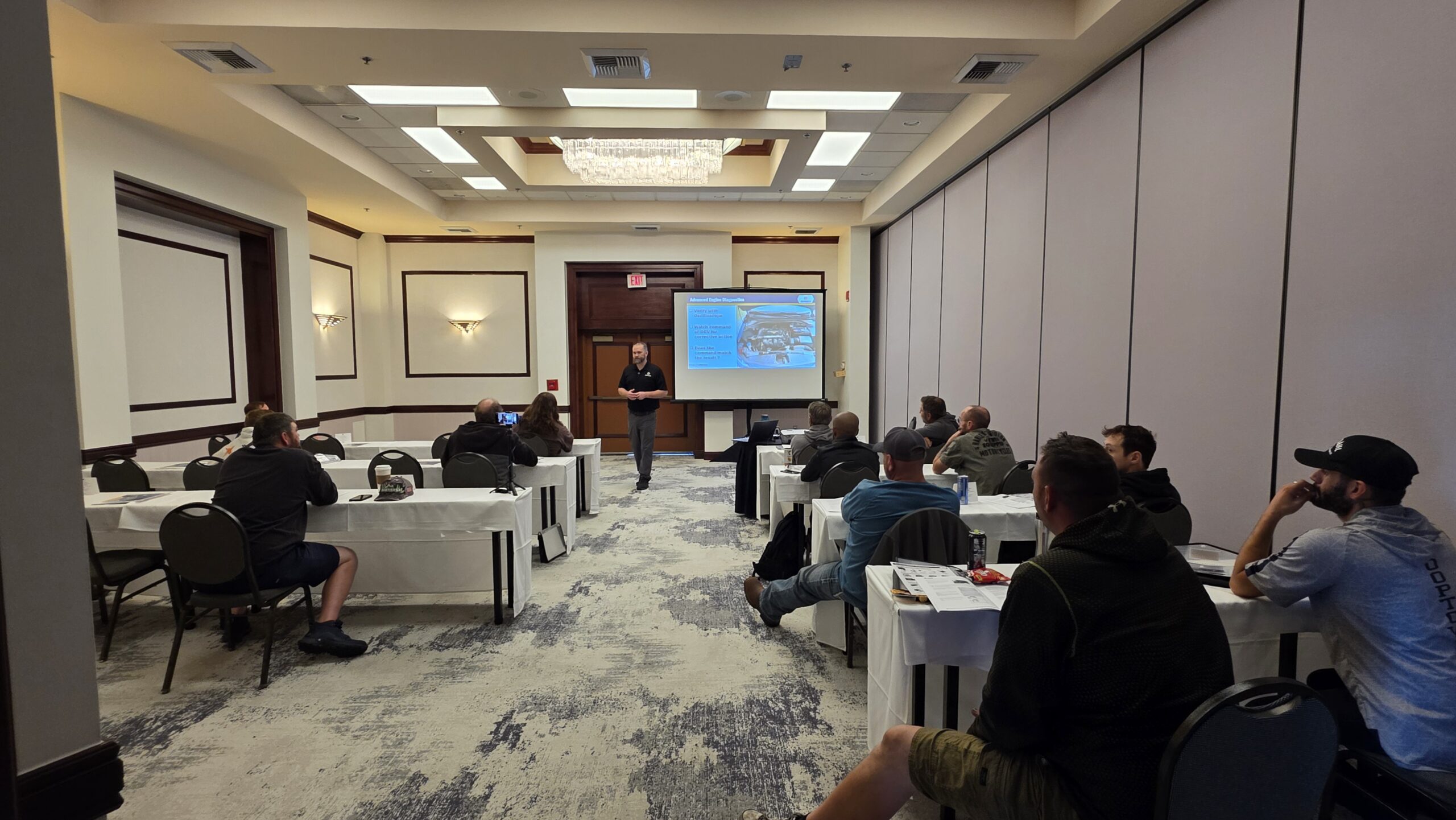
Vehicles continue to change, but one part of the automotive profession remains deeply human: experienced people teaching others how to think through a problem. A manual can explain a procedure. A scan tool can provide information. A training course can introduce a system. However, mentorship helps a developing professional understand how to apply knowledge in a real repair environment.
The iTAC Apprenticeship Program connects apprentices with participating independent shops, structured workplace learning, and experienced mentors. Training Partner Shops provide real-world environments where apprentices can develop practical skills, confidence, and professional habits. By becoming mentors, shop owners are not merely filling an open position. They are helping another person build a career.
How Do Independent Shops Strengthen the Automotive Workforce?
The automotive industry needs capable technicians, service advisors, leaders, and future owners. Independent shops help develop all four. Every technician needs a place to gain experience. Every service advisor needs opportunities to improve communication and shop knowledge. Every future manager needs someone willing to teach the business side of the industry. Independent repair businesses provide these opportunities in real working environments.
Employees learn how technical decisions affect customers, how teamwork affects productivity, and how professionalism affects long-term trust. Apprenticeship is especially valuable because it combines learning with practical responsibility. The iTAC program includes structured, paid, on-the-job training and educational instruction, helping participants build career-ready skills while contributing to a working automotive business.Shop owners who invest in workforce development help address more than their own staffing needs. They strengthen the labor pool available to the entire Northwest automotive community.
What Makes the Northwest Auto Community Stronger Together?
Independent ownership can sometimes feel isolating. Owners are expected to solve staffing issues, make financial decisions, manage customer expectations, and keep up with industry changes. Although each shop has its own identity, many owners face similar concerns. Community changes that experience.
When shop owners connect with one another, they can exchange ideas, compare processes, discuss challenges, and learn from people who understand the realities of the business. One owner’s experience can help another avoid a costly mistake or discover a better way to support employees. The Northwest Auto Care Alliance provides opportunities for this type of connection through education, chapter involvement, events, peer networking, apprenticeship support, and business resources. Our members do not have to navigate every challenge alone. This shared knowledge creates stronger businesses without taking away what makes each shop independent.
How Do Independent Shop Owners Build Customer Trust?
Customer trust is earned through repeated actions. It grows when a shop explains a concern clearly, recommends appropriate work, respects a customer’s questions, and stands behind its professional standards. It also grows when employees feel supported enough to slow down, communicate, and perform thoughtful work. Independent owners influence every part of that experience.
They establish the expectations their teams follow. They decide how inspections are documented, how estimates are explained, how concerns are addressed, and how customers are treated when a situation becomes complicated. The Northwest Auto Care Alliance Code of Ethics reflects our commitment to excellence, professionalism, integrity, education, advocacy, and responsible industry practices. These principles help independent shops protect the relationships that keep local automotive businesses thriving.
Who Supports the People Keeping the Northwest Moving?
Shop owners spend much of their time supporting others. They support customers who depend on reliable transportation. They support employees building careers. They support families whose livelihoods depend on the business. They also support the next generation by sharing knowledge, creating opportunities, and participating in industry education.
Those owners deserve support too. At the Northwest Auto Care Alliance, our role is to help independent automotive professionals find useful resources, meaningful relationships, training opportunities, member benefits, and a stronger collective voice. We believe independent ownership should not mean facing every business challenge alone. When owners share knowledge, invest in technicians, participate in training, and remain connected to their communities, the entire industry becomes stronger.
Frequently Asked Questions
1. Why are independent auto shops important to the Northwest?
Independent shops provide local employment, vehicle care, technical expertise, and career opportunities. They also build long-term customer relationships and keep automotive knowledge within their communities.
2. How do shop owners influence technician culture?
Owners shape culture through their leadership, expectations, training decisions, communication, and treatment of employees. Their example influences how technicians work, learn, and serve customers.
3. What challenges do independent auto shop owners face?
Common challenges include hiring, employee retention, training, technology changes, customer communication, business planning, equipment costs, and managing daily operations.
4. How can independent shops develop new technicians?
Shops can provide mentorship, structured training, hands-on experience, and clear career pathways. They can also participate in programs such as the iTAC Apprenticeship Program.
5. What does the Northwest Auto Care Alliance provide for shop owners?
Members can access industry education, networking, business resources, vendor benefits, apprenticeship support, chapter activities, mentorship opportunities, and other professional programs.
6. Who can become part of the Northwest Auto Care Alliance?
The organization supports independent automotive service businesses, tire dealers, industry professionals, educators, and partners throughout Washington, Oregon, Idaho, Alaska, Montana, and Nevada.
Help Us Strengthen the Future of Independent Auto Care
Independent shop owners have helped build the Northwest automotive community through hard work, mentorship, professional values, and service to others. Their shops are where technical careers begin, customer relationships grow, and industry knowledge is passed forward.
The Northwest Auto Care Alliance is proud to support the people behind those businesses. By learning together, sharing experience, and investing in the next generation, we can protect the strength and independence of automotive service throughout the Northwest.