One week it is heavy rain. The next morning brings freezing temperatures. Then a holiday trip takes you through a mountain pass where road conditions are completely different from your normal commute. That is why fall and winter car maintenance matters so much for Northwest drivers. Seasonal maintenance is not about replacing a long list of parts because the calendar changed. It is about checking the systems that cold temperatures, rain, snow, longer nights, and holiday driving depend on most.
If the brakes feel different, the battery is cranking slowly, or the coolant keeps dropping, those symptoms need diagnosis. Do not assume the most common part is automatically the problem. A careful inspection helps you understand what needs attention now, what can wait, and what simply needs to be monitored.
Start With a Complete Seasonal Inspection
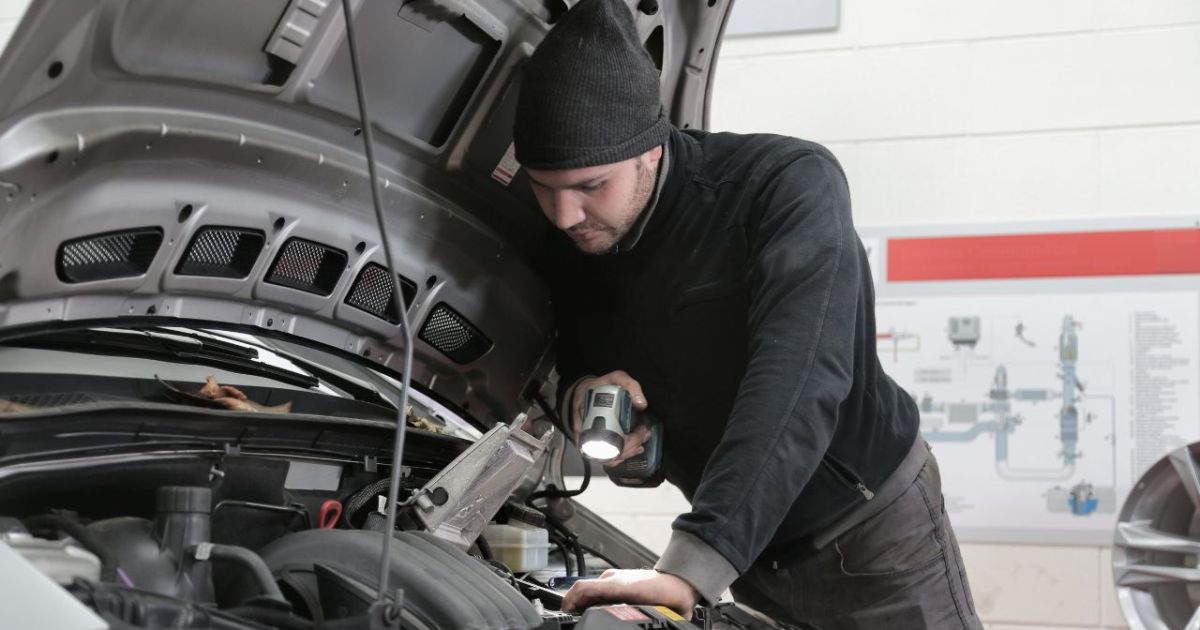
Before winter weather settles in, take a good look at the overall condition of the vehicle. A winter vehicle inspection should include tires, brakes, battery condition, fluids, belts, hoses, lights, wipers, heating and defrosting performance, and any dashboard warning lights. The goal is not to create unnecessary work.
It is to identify small concerns while you still have time to deal with them calmly. A tire that is starting to wear unevenly, for example, may still have usable tread. But the wear pattern could point to an alignment or suspension issue that deserves attention before several months of wet-road driving. If you need a local independent repair professional, the NWACA member shop directory can help you locate a member business in your area.
Check Your Tires Before Rain or Snow Arrives
Your tires are responsible for maintaining contact with the road, which makes their condition especially important during wet and cold weather. Check tread depth, tire pressure, and visible damage. Look for uneven wear, cracking, cuts, or bulges. Do not wait until the first snowstorm to discover that the tread is nearly worn out.
Cold temperatures can also lower tire pressure. A tire that was properly inflated during warmer weather may need adjustment as temperatures fall. If one tire keeps losing pressure, adding air every few days is not a complete solution. A puncture, valve problem, wheel issue, or another leak may be responsible. Have the source identified. Drivers who regularly travel through mountain areas or regions with significant winter weather should also consider whether all-season tires provide enough traction for their routes or whether dedicated winter tires make more sense.
Have the Brakes Inspected Before Wet Roads Expose Problems
Rain, snow, and slippery roads make predictable braking especially important. You do not have to wait for grinding brakes to schedule an inspection. Pay attention to a pedal that feels softer than usual, vibration while braking, pulling to one side, squealing, grinding, or a vehicle that seems to require more effort to stop. Several issues can create these symptoms.
Brake pads may be worn. Rotors may have developed uneven surfaces. A caliper could be sticking. Brake fluid or hydraulic components may also need attention. Tires and suspension problems can sometimes create similar sensations. That is why a brake inspection should look at the complete system instead of jumping directly to pad replacement. Northwest Auto Care Alliance members agree to professional standards that include explaining testing, repair options, priorities, and maintenance recommendations. You can read more about those expectations in the NWACA Code of Ethics.
Test the Battery Before the Coldest Morning
Batteries often give small warnings before they fail completely. The engine may crank slower in the morning. Interior lights may dim during startup. The vehicle may need a jump after sitting longer than usual. Cold weather can make an already weak battery more noticeable. But slow cranking does not automatically mean the battery needs replacement.
Poor battery connections, corrosion, a weak starter, alternator problems, or another electrical fault can produce similar symptoms. A battery and charging-system test provides a better answer. That matters before holiday travel because a car that starts normally at home may be much less convenient when it refuses to restart at a mountain lodge, airport parking lot, or roadside stop.
Check Coolant Before Temperatures Drop
The cooling system matters in winter too. Engine coolant does more than help control high operating temperatures. The correct coolant mixture also provides freeze protection and helps protect internal cooling-system components from corrosion. Check the coolant level and condition according to the vehicle manufacturer’s recommendations.
If the reservoir repeatedly becomes low, do not just keep adding coolant. The system may have a leak from a hose, radiator, water pump, reservoir, connection, or another component. A pressure test or other inspection may be needed to locate a leak that is not obvious. Ignoring coolant loss can eventually lead to overheating, even in cold weather.
Do Not Forget the Other Fluids
Fall and winter car maintenance should also include checking the fluids that apply to your vehicle.
Engine oil should be at the proper level and serviced according to the manufacturer’s interval. Brake fluid, transmission fluid, power steering fluid where applicable, and windshield washer fluid should also be evaluated based on the vehicle’s design.
A low fluid level deserves more than a top-off when it should not normally be dropping.
For example, low brake fluid may be related to normal brake-pad wear, but it can also point to a leak.
The right response is to identify why the level changed.
That diagnose-first approach helps prevent a small symptom from hiding a larger maintenance or safety issue.
Make Sure the Wipers Can Handle Northwest Rain
It is easy to forget about windshield wipers during dry weather. Then the first heavy rain arrives and the blades leave streaks directly in your line of sight. Run the washer system before the wet season. Watch for chatter, skipping, smearing, or areas the blades fail to clear. Check the washer-fluid level too.
If new blades still do not make good contact with the windshield, the problem may involve the wiper arm or another mechanical issue. Good visibility also means keeping the inside of the windshield clean and making sure the defroster works properly. A weak heater or defroster deserves attention before cold, damp mornings make windshield fogging a daily problem.
Check Every Exterior Light
Shorter days mean more driving after dark. Walk around the vehicle and check headlights, high beams, taillights, brake lights, turn signals, hazard lights, and license plate lights. A burned-out bulb may be a simple repair. Repeated bulb failures, flickering lights, or several lights changing brightness at the same time can point to electrical or charging-system problems.
Again, diagnose before replacing parts repeatedly. Clear headlights also matter. Cloudy or badly oxidized lenses can reduce useful light output even when the bulbs still work. Visibility becomes especially important on dark, wet roads where road markings and hazards may already be harder to see.
Watch Belts and Hoses for Signs of Age
Belts and hoses work through thousands of heating and cooling cycles. Look for cracking, fraying, glazing, swelling, leaks, or obvious deterioration. A squealing belt does not always mean the belt itself has failed. Tensioners, pulleys, bearings, alignment, or fluid contamination may also cause noise. Coolant near a hose connection does not always prove the hose is leaking either.
A nearby fitting or component may be the source. A technician can inspect the system and determine whether replacement is actually needed. Catching these problems before winter travel is much easier than dealing with a failed belt or coolant hose along the road.
Take Dashboard Warning Lights Seriously
A warning light that has been on for weeks does not become less important simply because the vehicle still drives. Before longer winter or holiday travel, find out what the light means. A check engine light, ABS light, battery warning, tire-pressure warning, or temperature warning each points toward a different system.
Reading a trouble code is only the beginning of diagnosis. A code identifies where the vehicle detected a problem. Testing determines what actually caused it. NWACA provides additional automotive and consumer-focused information through its Consumer Information resources, helping connect drivers and industry professionals around clearer automotive education.
Why Preventive Maintenance Matters More Before a Trip
Many drivers begin thinking about maintenance a day or two before holiday travel. That leaves very little room if the inspection uncovers worn tires, weak brakes, a battery near the end of its service life, or a cooling-system leak. Schedule seasonal maintenance early enough to make decisions without rushing. Preventive maintenance cannot guarantee that nothing will ever break.
What it can do is reduce preventable surprises. A careful inspection may confirm that most of the vehicle is in good shape and only one or two items need attention. That is valuable information too. Good maintenance is not about finding something wrong every visit. It is about understanding the vehicle’s condition.
What Happens If Seasonal Maintenance Is Ignored?
Sometimes a vehicle will make it through winter without any trouble. Other times, colder temperatures and difficult road conditions expose problems that were already developing. A weak battery finally fails. Worn tires struggle in heavy rain. A small coolant leak becomes more serious during a long trip. Brake wear that was barely noticeable around town becomes obvious in stop-and-go holiday traffic.
Waiting until a part fails usually gives you fewer choices. Inspection gives you time to prioritize. That fits the way trustworthy independent service should work: understand the problem, confirm the condition, explain the options, and let the customer make an informed decision.
Frequently Asked Questions
What Should I Check on My Car Before Winter?
Check the tires, brakes, battery, coolant, engine oil, other applicable fluids, belts, hoses, exterior lights, wipers, heater, defroster, and dashboard warning lights. A complete inspection can help identify issues that are not obvious from the driver’s seat.
Does My Car Need Different Maintenance in the Northwest?
The basic maintenance needs are similar everywhere, but frequent rain, colder temperatures, mountain driving, snow, and changing road conditions make tires, brakes, visibility, batteries, and cooling-system condition especially important.
Should I Test My Battery Every Fall?
Testing is a good idea if the battery is several years old, the engine has begun cranking slowly, or you are preparing for colder weather or a long trip. Battery testing is more useful than replacement based on age alone.
How Do I Know If My Brakes Are Ready for Winter?
A professional inspection can measure brake wear and evaluate rotors, hydraulic components, and overall operation. Noise, vibration, pulling, warning lights, or changes in pedal feel are good reasons to schedule an inspection sooner.
Do I Need Winter Tires in the Northwest?
It depends on where and how you drive. Drivers who regularly encounter snow, ice, mountain passes, or sustained cold conditions may benefit from dedicated winter tires. Your local tire professional can help evaluate your driving needs.
When Should I Schedule Fall and Winter Car Maintenance?
Schedule before the weather becomes severe or before major holiday travel. If the vehicle already has a warning light, leak, brake concern, slow starting condition, or another noticeable symptom, have it inspected now rather than waiting for winter.
Support Better Car Care Across the Northwest
For drivers, good winter preparation starts with a shop that inspects carefully, diagnoses accurately, and explains what actually needs attention. NWACA helps connect motorists with independent automotive professionals committed to education, transparency, and responsible service. For independent shop owners, you do not have to navigate training, business challenges, industry changes, and customer expectations alone. Become part of a member-built community working to strengthen independent automotive service across the region.